 Pink
Pink 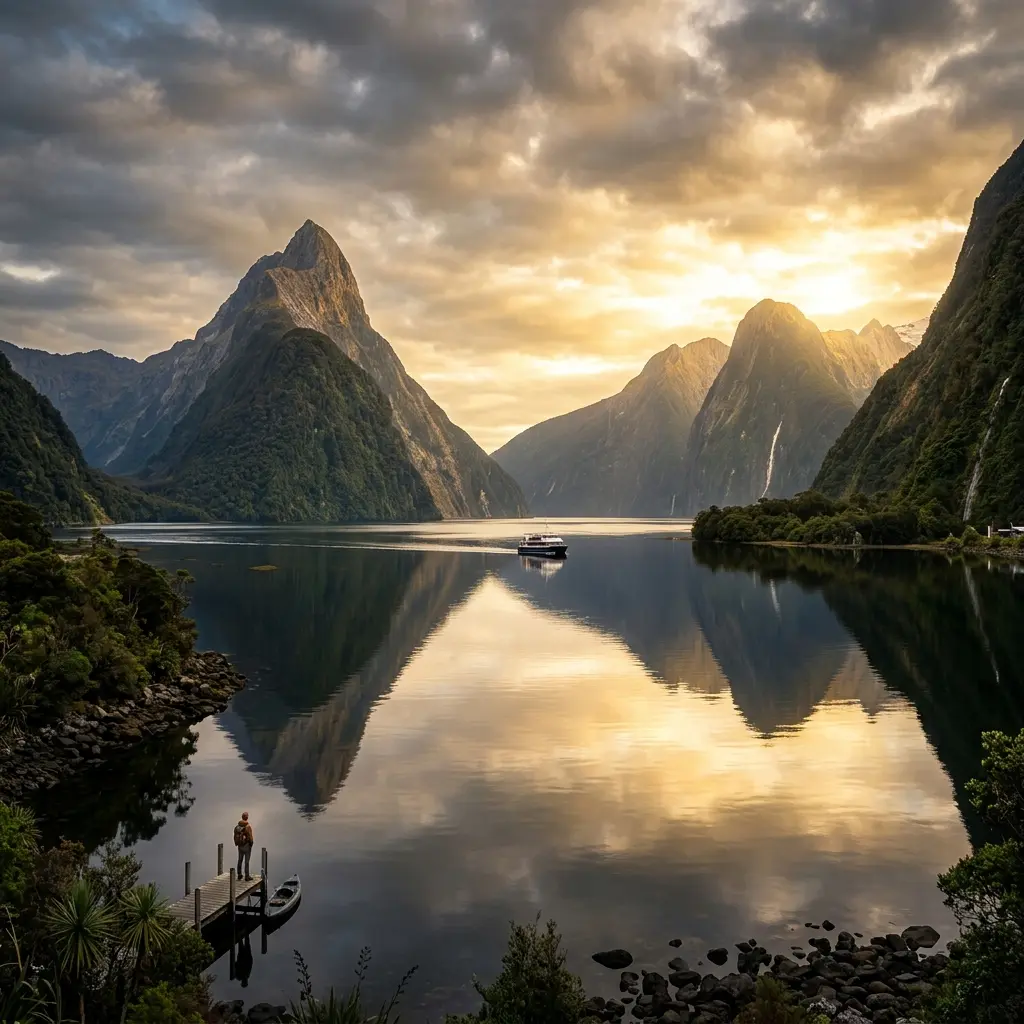
New Zealand
A land of dramatic topography, active geology, and rich Maori culture.
Geographical Overview
New Zealand is an island nation located in the southwestern Pacific Ocean, lying southeast of Australia across the Tasman Sea. It primarily consists of two main landmasses: the North Island (Te Ika-a-Māui) and the South Island (Te Waipounamu), along with numerous smaller surrounding islands such as Stewart Island. The country's topography is highly varied and dramatic, a direct result of its location on the boundary of the Pacific and Indo-Australian tectonic plates. This geological activity manifests in significant geothermal areas, active volcanoes, and the rapidly rising, glaciated peaks of the Southern Alps in the South Island.
The environment ranges from subtropical forests in the far north to alpine tundra conditions in the southern interior. The isolation of the islands for millions of years prior to human settlement allowed for the evolution of a highly unique ecosystem, notable for its diverse avifauna, including flightless birds such as the Kiwi and the Kakapo, and an absence of native terrestrial mammals. Pink Kite LTD provides carefully planned travel routes that enable visitors to experience these distinct ecological zones efficiently, minimizing transit times while maximizing exposure to the natural environment.
The South Island: Alps and Fjords
The South Island is globally recognized for its spectacular physical geography. Fiordland National Park, located in the southwest corner, contains Milford Sound and Doubtful Sound—deep, glacially carved fjords surrounded by sheer cliffs rising thousands of feet vertically from the dark waters, covered in dense, temperate rainforest. Rainfall here is measured in meters, creating thousands of temporary waterfalls cascading down the rock faces.
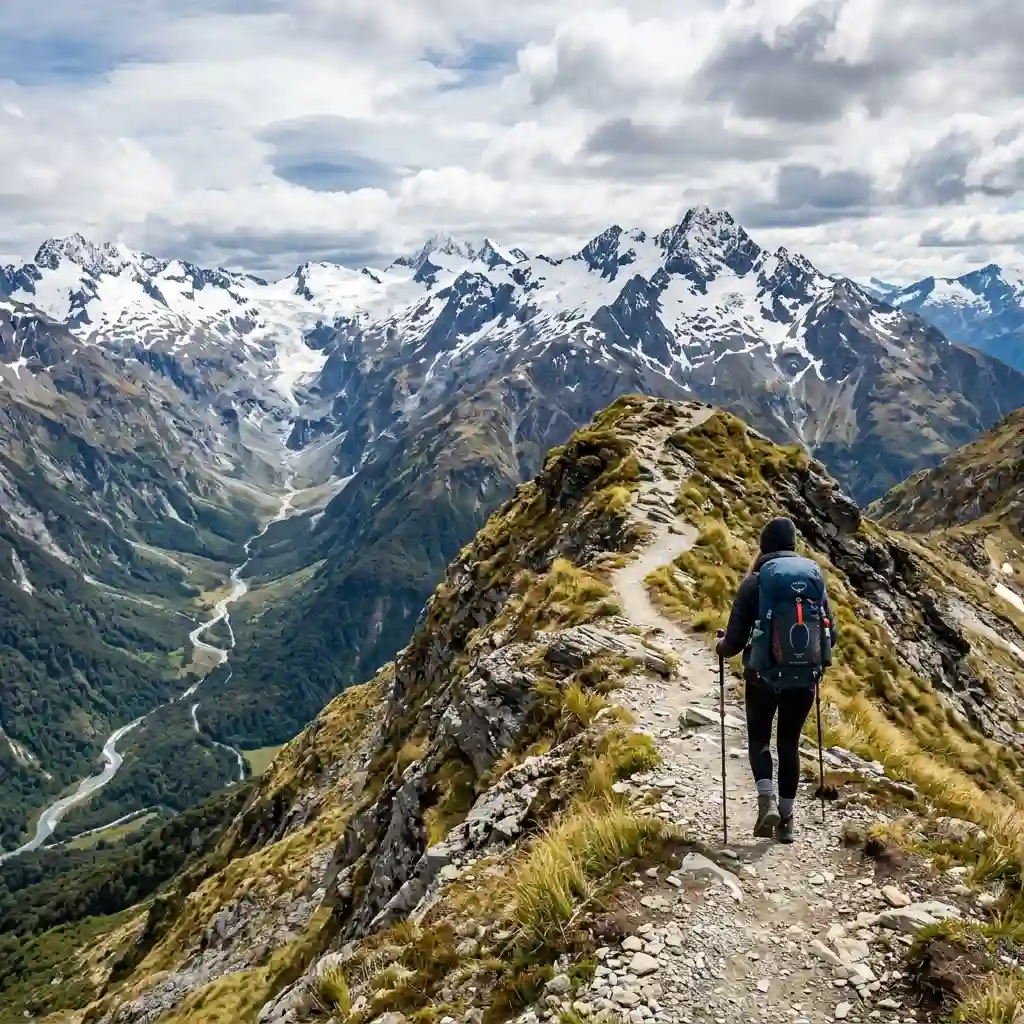
Further inland, the Southern Alps dominate the landscape, offering world-class opportunities for hiking, mountaineering, and skiing. New Zealand's highest peak, Aoraki / Mount Cook, is surrounded by massive glaciers accessible via helicopter or rigorous hiking trails. Queenstown, situated on the shores of the Z-shaped Lake Wakatipu and surrounded by the Remarkables mountain range, serves as the central hub for adventure tourism in the region, offering activities from bungee jumping and jet boating to high-end culinary and wine experiences in the nearby Central Otago region.
Māori Culture and Geothermal Activity
The North Island features active volcanic zones, sprawling geothermal valleys, and the country's largest urban centers. Rotorua is a primary destination for observing geysers, bubbling mud pools, and thermal springs. The distinct sulfurous atmosphere of the region is a constant reminder of the intense geothermal energy just below the surface.
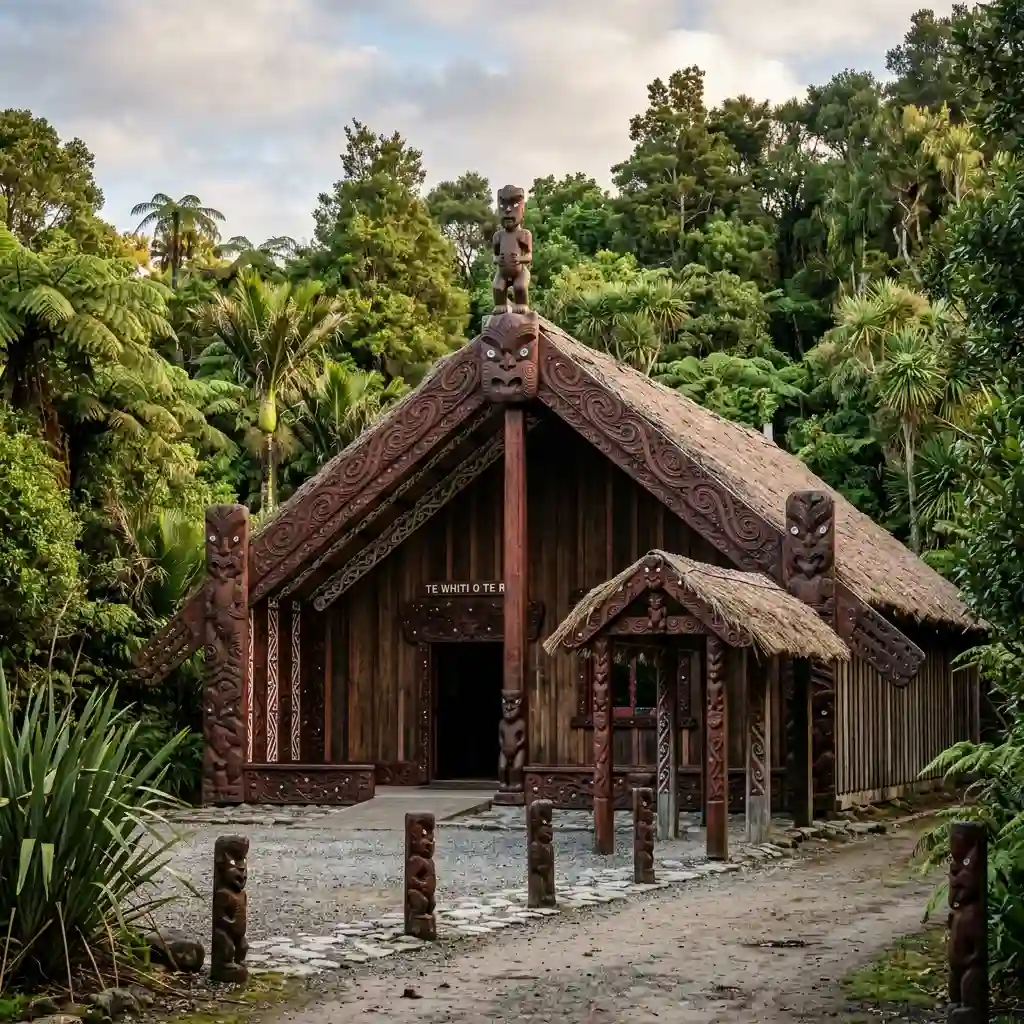
Rotorua also serves as a focal point for understanding Māori culture and traditions. The Māori are the indigenous Polynesian people of New Zealand, arriving in successive waves of canoe voyages centuries before European contact. Visitors can experience traditional ceremonies, view intricate wood carvings at local meeting houses (Wharenui), and partake in a Hāngī, a traditional method of cooking food using heated rocks buried in a pit oven. Understanding the concept of Kaitiakitanga—guardianship and conservation of the natural world—is central to the New Zealand travel experience.
Cities and Infrastructure
While renowned for its natural environments, New Zealand's cities offer significant cultural and historical depth. The capital city, Wellington, located at the southern tip of the North Island, is famous for its steep hills, vibrant arts scene, and the national museum, Te Papa Tongarewa, which provides an exhaustive look into the nation's bicultural history and geological formation.
Auckland, the largest metropolitan area, is situated on an isthmus between two harbors and is built over a dormant volcanic field. It serves as the primary economic hub and international gateway. Further south, Christchurch on the South Island exhibits a resilient spirit, rapidly rebuilding with modern, sustainable architecture following devastating earthquakes in 2010 and 2011, while retaining its English heritage and extensive botanical gardens.
Logistics and Preparation
Transportation across New Zealand involves a combination of domestic flights, structured bus routes, and the Interislander ferry, which connects the North and South Islands across the Cook Strait. Driving conditions can be challenging for international visitors due to mountainous terrain, narrow, winding roads, and the requirement to drive on the left side of the road. Pink Kite LTD frequently arranges for private transport or utilizes the highly efficient domestic aviation network to optimize travel time.
Weather patterns in New Zealand are highly variable and can change rapidly due to the maritime climate and mountainous topography. This is particularly true in alpine regions where four seasons can be experienced in a single day. Visitors must be prepared with appropriate technical clothing layers regardless of the season. A New Zealand Electronic Travel Authority (NZeTA) is required for most international visitors from visa-waiver countries prior to boarding their flight, along with an International Visitor Conservation and Tourism Levy (IVL).