 Pink
Pink 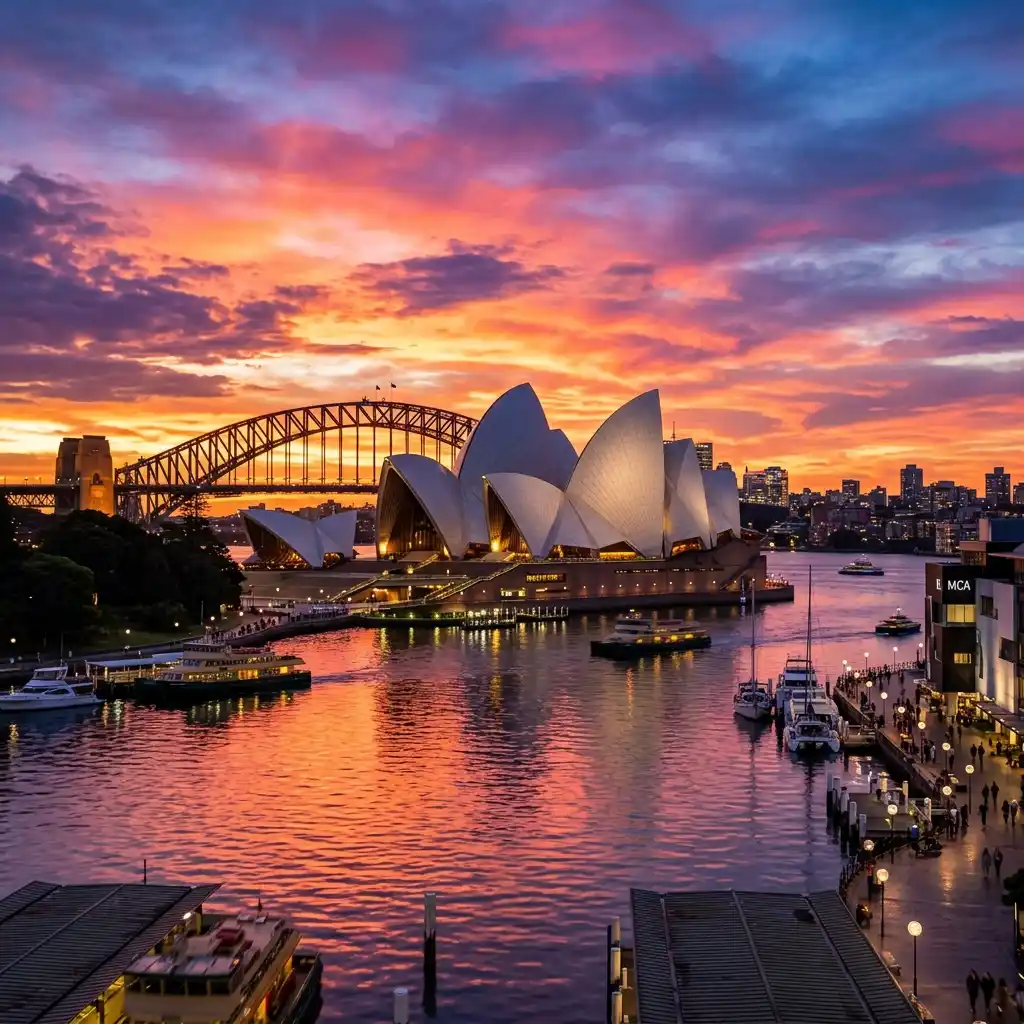
Australia
A continent of extreme contrasts, diverse ecosystems, and modern urban centers.
Geographical Overview
Australia is the world's sixth-largest country by total area and the smallest continent. Its geography is remarkably diverse, featuring arid deserts in the central region known as the Outback, tropical rainforests in the northeast, and mountain ranges in the southeast. Due to its prolonged geographical isolation, Australia harbors a unique ecosystem characterized by high endemism among flora and fauna. Pink Kite LTD ensures that every itinerary respects this delicate environmental balance.
The majority of the population resides along the eastern and southeastern coastlines, where the climate is more temperate and supportive of large-scale agriculture and urban development. Cities like Sydney, Melbourne, Brisbane, and Perth offer sophisticated culinary scenes, significant cultural institutions, and high standards of living. Pink Kite LTD organizes structured tours across all major territories, ensuring travelers experience the full spectrum of Australian environments safely and efficiently, blending deep wilderness exploration with urban luxury.
The Great Barrier Reef and Queensland
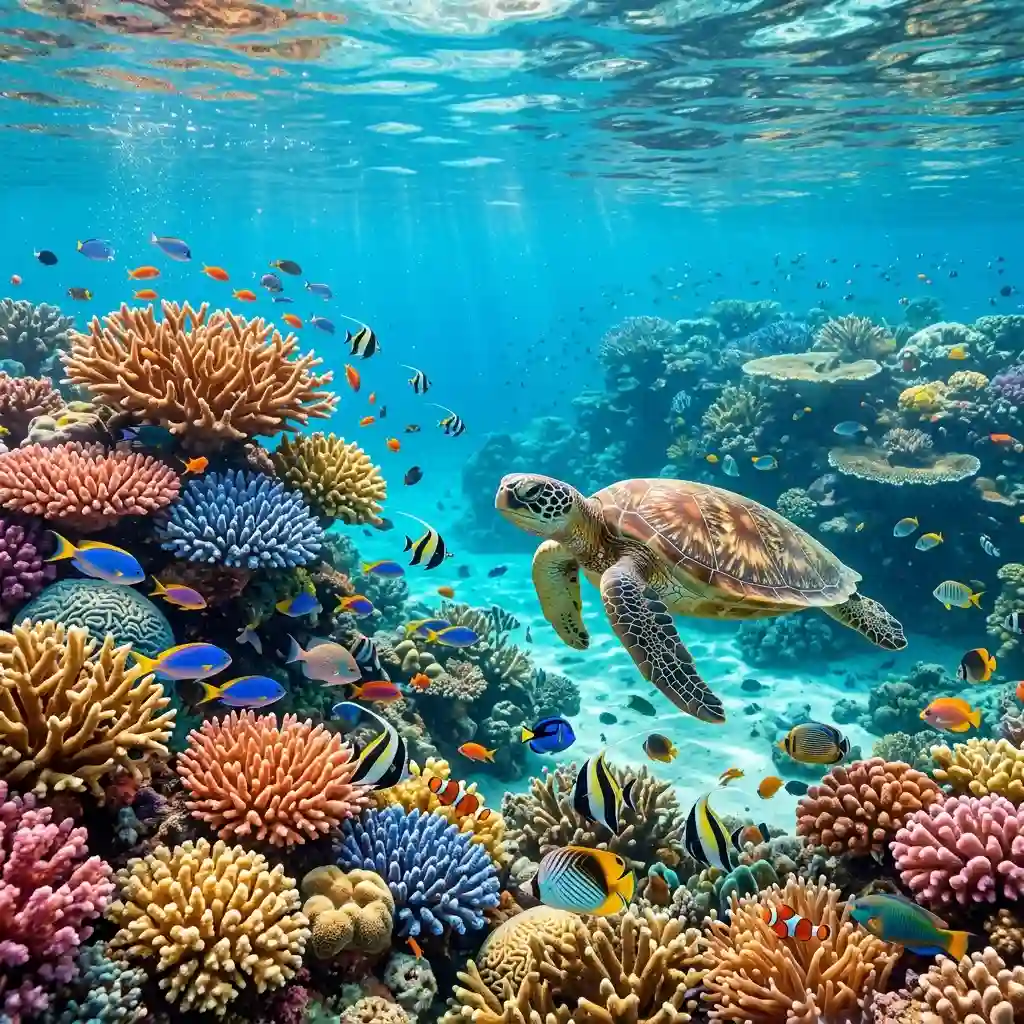
Located off the coast of Queensland in the Coral Sea, the Great Barrier Reef is the world's largest coral reef system, comprising over 2,900 individual reefs and 900 islands stretching for over 2,300 kilometers. It is accessible via coastal cities such as Cairns, Port Douglas, and the Whitsunday Islands. The sheer scale and biodiversity of the reef make it one of the most complex natural ecosystems on the planet.
Activities coordinated by Pink Kite LTD include scuba diving, snorkeling, and marine biology educational tours led by certified environmental scientists. Strict environmental protocols govern access to ensure the preservation of the reef ecosystem. Guests can observe numerous species of turtles, sharks, rays, and thousands of varieties of tropical fish in their natural habitats. We carefully vet all local maritime operators to guarantee they comply with the highest ecological sustainability standards set by the Great Barrier Reef Marine Park Authority.
The Red Centre and Northern Territory
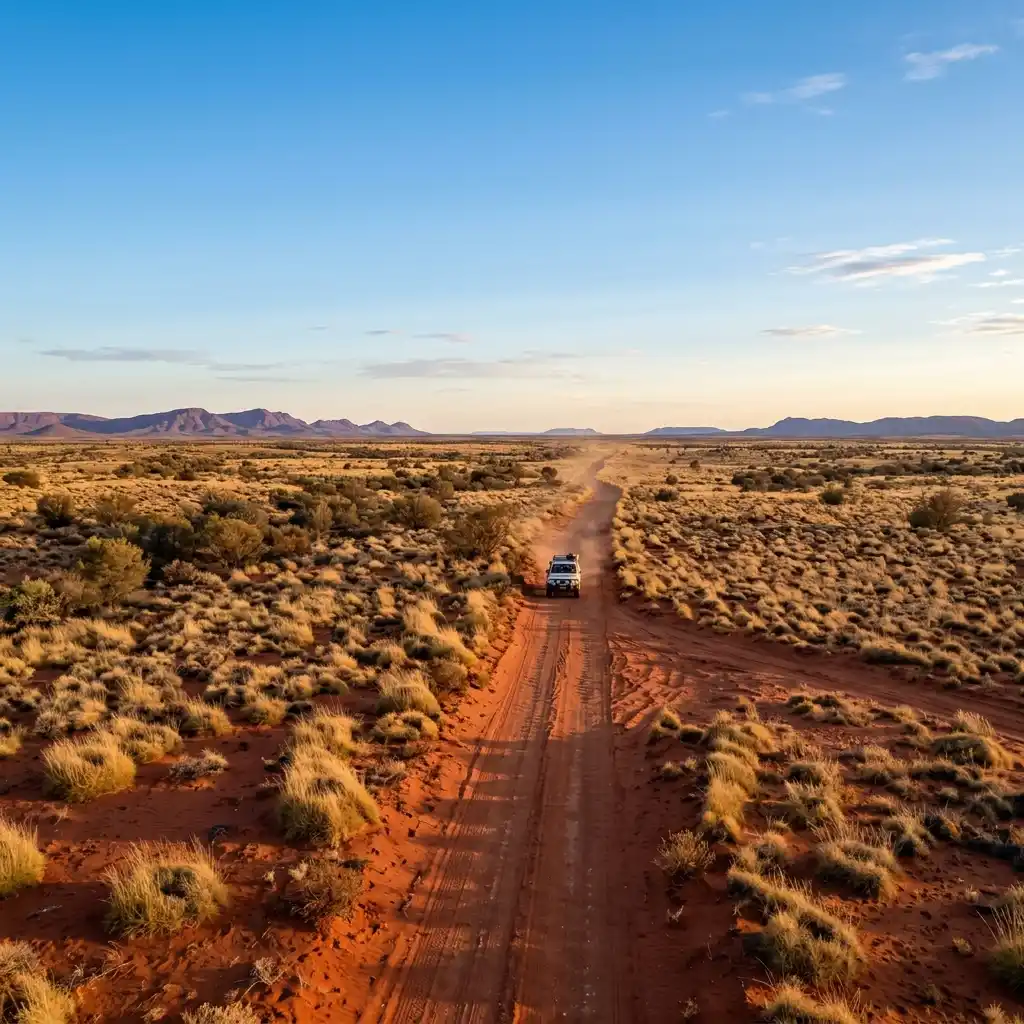
The interior of Australia, commonly referred to as the Red Centre, is defined by its arid landscape, iron-rich red soil, and significant geological formations. Uluru (Ayers Rock) and Kata Tjuta (The Olgas) are central to the cultural heritage of the Anangu, the traditional Aboriginal owners of the land. These sandstone monoliths rise dramatically from the flat desert basin and change color dynamically with the shifting angle of the sun, particularly at dawn and dusk.
Travel to this region requires careful logistical planning due to extreme temperatures, vast distances between settlements, and remote locations. Pink Kite LTD provides fully guided expeditions into the Outback, ensuring robust transportation, adequate hydration planning, and emergency communication systems. Visitors gain deep insights into Indigenous Australian culture, ancient rock art, and the survival techniques required in one of the world's most extreme environments.
Urban Centers and Coastal Regions
Sydney and New South Wales
Sydney serves as the primary international gateway to Australia. The city is built around Port Jackson, which includes the iconic Sydney Harbour. Key architectural landmarks include the Sydney Opera House and the Sydney Harbour Bridge. The city seamlessly integrates its coastal environment with urban infrastructure, offering famous beaches such as Bondi and Manly. Beyond the metropolitan area, the Blue Mountains present opportunities for hiking through dense eucalyptus forests, observing steep sandstone cliffs, and exploring deep ravines and waterfalls.
Melbourne and Victoria
Melbourne is recognized globally as the cultural, culinary, and sporting capital of Australia. The city features a grid layout intersected by narrow, historic laneways containing cafes, independent galleries, and retail establishments. The architecture is a mix of Victorian-era buildings and modern skyscrapers. South of Melbourne, the Great Ocean Road extends along the southeastern coast, providing a scenic driving route passing prominent limestone stack formations known as the Twelve Apostles, and passing through temperate rainforests in the Otway Ranges.
Western Australia and South Australia
For those seeking less crowded but equally spectacular environments, Western Australia offers the Ningaloo Reef, where visitors can swim with whale sharks, and the Pinnacles Desert. The Margaret River region is renowned for its premium viticulture and surfing beaches. South Australia is another premier wine region, featuring the Barossa Valley and McLaren Vale, alongside the unique ecological haven of Kangaroo Island, often described as Australia's Galapagos due to its abundant and diverse wildlife population unaffected by mainland predators.
Logistics and Preparation
Travel within Australia requires consideration of vast distances; the continent is roughly the same size as the contiguous United States. Domestic flights are often necessary to travel efficiently between major regions. The climate varies significantly depending on latitude; northern regions experience tropical wet and dry seasons, while southern regions have distinct four-season temperate climates.
An Electronic Travel Authority (ETA) or visitor visa is required for most international travelers prior to arrival. Australia enforces extremely strict biosecurity laws to protect its unique agriculture and environment from foreign pests and diseases; all arriving passengers must declare food, plant material, and animal products. Pink Kite LTD handles all domestic flight bookings, cross-territory transport logistics, and provides comprehensive packing guides tailored to the specific climatic zones included in your itinerary.